
-
Andrew Noymer, MSc, PhD, Editor-in-Chief, is an associate professor of population health and disease prevention at the University of California Irvine, United States. From an epidemiological, demographic and social perspective, he has done research on influenza pandemics. Dr. Noymer is one of the world experts on infectious disease mortality, and he serves on the UN/WHO Technical Advisory Group on Covid-19 mortality estimation.
Editorial Board Members
Carl Heneghan, BM, DPhil, is a professor of evidence-based medicine at Oxford University, England, where he directs the Centre for Evidence Based Medicine. As a practicing physician and a clinical epidemiologist, he does research on primary care treatment of cardiovascular and infectious diseases. He is also an expert on publication bias and drug regulation. With over 400 peer-reviewed publications, Dr. Heneghan is among the top 1% most cited scientists in his field. 
Christine Stabell Benn, MD, PhD, DMSc, is a professor of global health at the University of Southern Denmark. Since 1993, she has worked at the Bandim Health Project in Guinea-Bissau. Her research focus is health interventions and their effect on overall health in real life, and how vaccines and vitamins in addition to their intended specific effects also have unintended non-specific effects that can be either positive or negative. Having published over 300 peer-reviewed journal articles, Dr. Benn is among the top 1% of cited researchers in her field. 
David Livermore, PhD, is a retired professor of medical microbiology at the University of East Anglia, England. His main research is on the evolution and dissemination of antibiotic resistance and its relationship to antibiotic prescribing. Until 2021, he served on the UK Government’s Advisory Committees on Antimicrobial Resistance and Healthcare-Infection. Now in semi-retirement, he continues to consult on antibiotic development and rapid diagnostics. With over 500 peer-reviewed research articles, Dr. Livermore is the 6th most cited scientist in microbiology. 
Günter Kampf, MD, is an associate professor of hygiene and environmental health at the University of Greifswald, Germany. His research focus is various aspects of hand hygiene, surface hygiene, resistance formation against disinfectants, and the epidemiology and prevention of infectious diseases. With more than 200 peer-reviewed publications, he is among the top 1% most cited scientists in epidemiology. 
Helen Colhoun, DMed, MPH, is a professor at the University of Edinburgh, Scotland, where she holds an endowed chair in medical informatics and life course epidemiology. She uses electronic health records and high dimensional molecular ‘omics data to understand the pathogenesis and means of prevention of diabetes complications. Dr. Calhoun is among the top 1% cited scientists in her field, with over 200 peer-reviewed publications. 
Jayanta Bhattacharya, MD, PhD, (on leave) is a professor of medicine at Stanford University, USA, where he directs the Center on the Demography and Economics of Health and Aging. His main areas of research are the economics of health care around the world with a particular emphasis on the health and well-being of vulnerable populations. Dr. Bhattacharya has published over 200 peer-reviewed articles in economics, statistics, legal, medical, public health and health policy journals. He is among the top 2% cited scientists in his field. 
John Ioannidis, MD, DSc, is a professor of medicine, epidemiology, population health and biomedical data science at Stanford University, USA, where he co-directs the Meta-Research Innovation Center. The focus of his research is on improving medical and public health research methods and practices to generate reliable evidence. With over 1,200 peer-reviewed scientific articles, Dr. Ioannidis is the most cited living scientist in medicine (general and internal) and one of the 20 most cited living scientists across all science. 
Maged Kamel Boulos, MD, PhD, is a professor of medical and public health informatics at the University of Lisbon, Portugal. With almost 200 peer-reviewed publications, he has done research on telehealth, the use of mobile devices and social media to promote health, the geography of disease using geographical information systems, and the accuracy of online health information, covering a wide range of health areas, including cancer, dermatology, diabetes, exercise, infectious diseases, nutrition, obesity and sexuality. Dr Boulos is among the 1% most cited public health scientists. 
Marty Makary, MD, MPH, is a professor of surgery at Johns Hopkins University, USA, where he is chief of islet transplant surgery. His research focuses on the underlying causes of disease, public policy, health care costs, and relationship-based medicine. Dr. Makary has served in a leadership role at the World Health Organization’s Patient Safety Program, and he has written three best-selling books on the problems with our healthcare system: Unaccountable, The Price We Pay and Blind Spots. Having published more than 300 peer-reviewed scientific articles, Dr. Makary is among the 1% most cited scientists in his field. 
Mohammad Ali Mansournia, MD, MPH, PhD, is a professor of epidemiology at Tehran University of Medical Sciences, Iran. His research focuses on epidemiological methods and their appropriate use, including for example causal inference, confounding, matched designs, and disease burden. Dr. Mansournia is among the 1% most cited scientists in his field, with over 500 peer-reviewed publications. 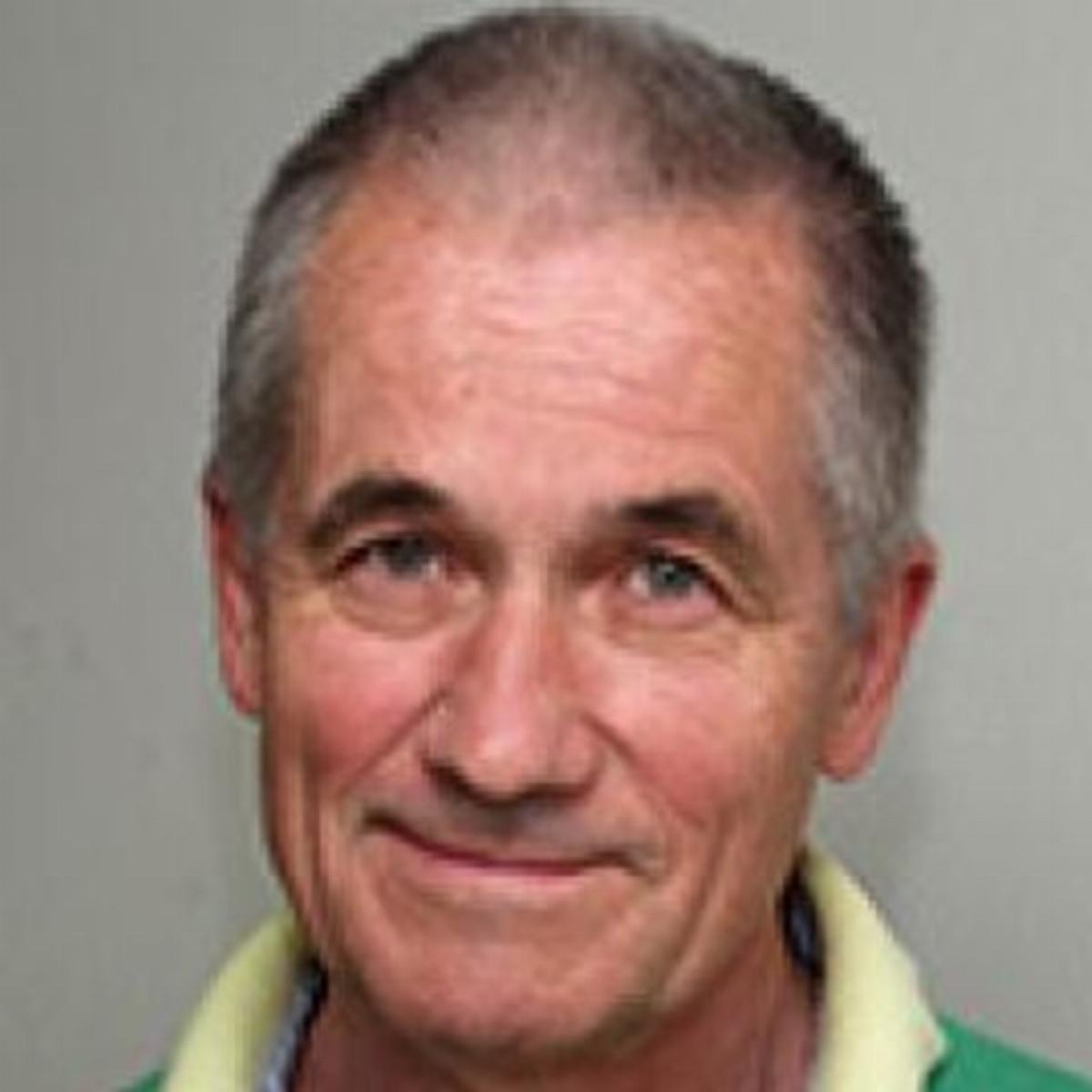
Peter Gøtzsche, MD, DMSc, MSc, is a former professor of clinical research design and analysis at the University of Copenhagen, Denmark. He is a co-founder of the Cochrane Collaboration and the founder of the Nordic Cochrane Centre and the Institute for Scientific Freedom. The focus of his research is internal medicine, psychiatry, clinical trials, and regulatory affairs. With over 300 peer-reviewed research articles and over 100 in “the big five,” and several books, he is among the top 1% most cited scientists in his field. 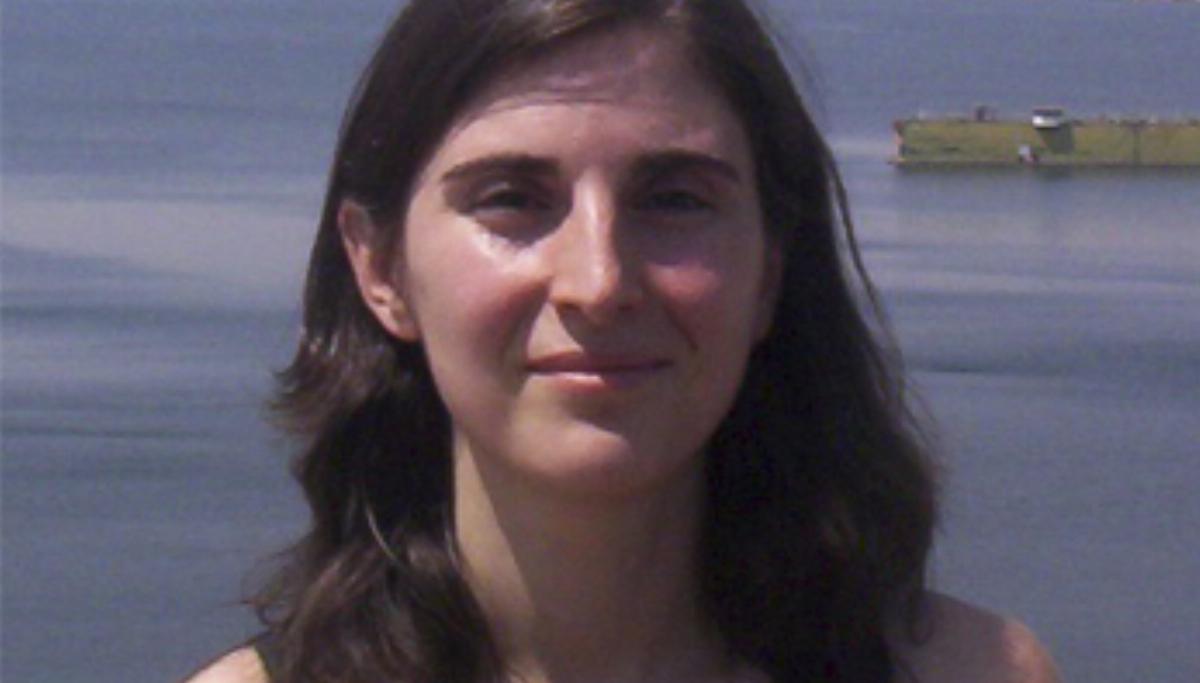
Ruth Gil Prieto, PhD, is a professor of preventive medicine and public health at Universidad Rey Juan Carlos, Spain, where she serves as the director of the International Cooperation and Volunteering Program. Her research focus is on infectious diseases, hospital epidemiology, and vaccines. With over 100 peer-reviewed scientific publications, she is one of the leading public health scientists in Spain. 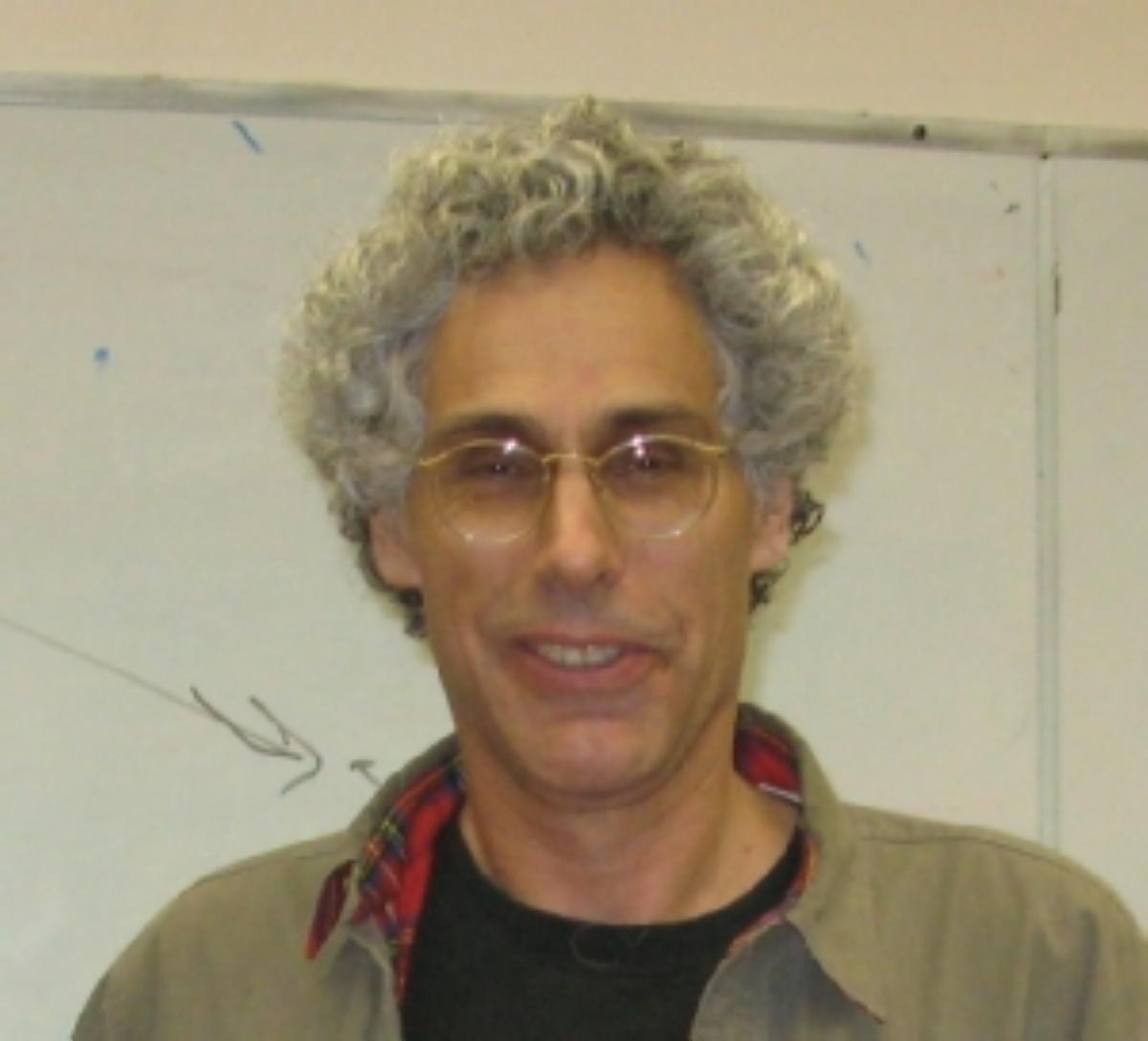
Sander Greenland, DrPH, is emeritus professor of epidemiology and statistics at University of California Los Angeles, USA. His research focus is epidemiologic methodology, including causal inference, bias analysis, and meta-analysis. He co-authored the 2nd and 3rd edition of Modern Epidemiology, a standard textbook for several decades in schools of public health. Dr. Greenland is the third most cited scientist in epidemiology, with over 400 peer-reviewed articles. 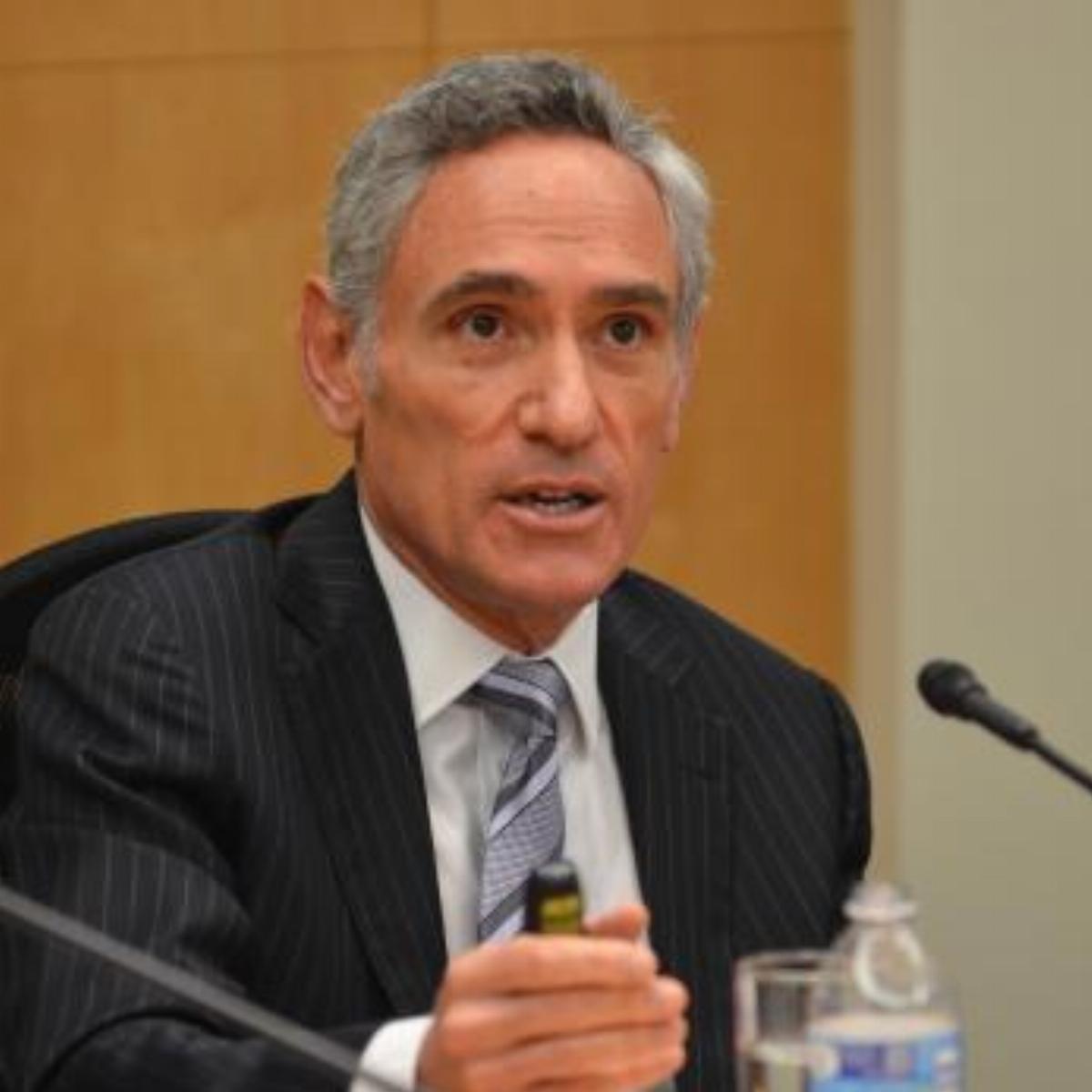
Scott Atlas, MD, is a senior fellow in health policy at Hoover Institution, Stanford University, USA. His research focuses on MRI technologies, neurologic diseases, public health policy, health care quality and access, global trends in health care innovation, and civil liberty issues in healthcare. With over 100 peer-reviewed scientific publications and over 200 health policy articles, he is among the 1% most cited scientists in his field. 
Sergio Recuenco, MD, MPH, DrPH, is a professor of preventive medicine and public health at the Universidad Nacional Mayor de San Marcos, Peru. He does research on zoonotic and other infectious diseases and is one of the world’s foremost experts on rabies. As such, Dr. Recuenco is one of the leading epidemiologists in Peru. 
Simon Wood, PhD, is a professor of statistics at the University of Edinburgh, Scotland. His research is focused on smoothness selection, generalized additive models, and dynamic statistical models to understand biological mechanisms in ecology and epidemiology. Dr. Wood is among the 1% most cited statisticians, with over 100 peer-reviewed publications. 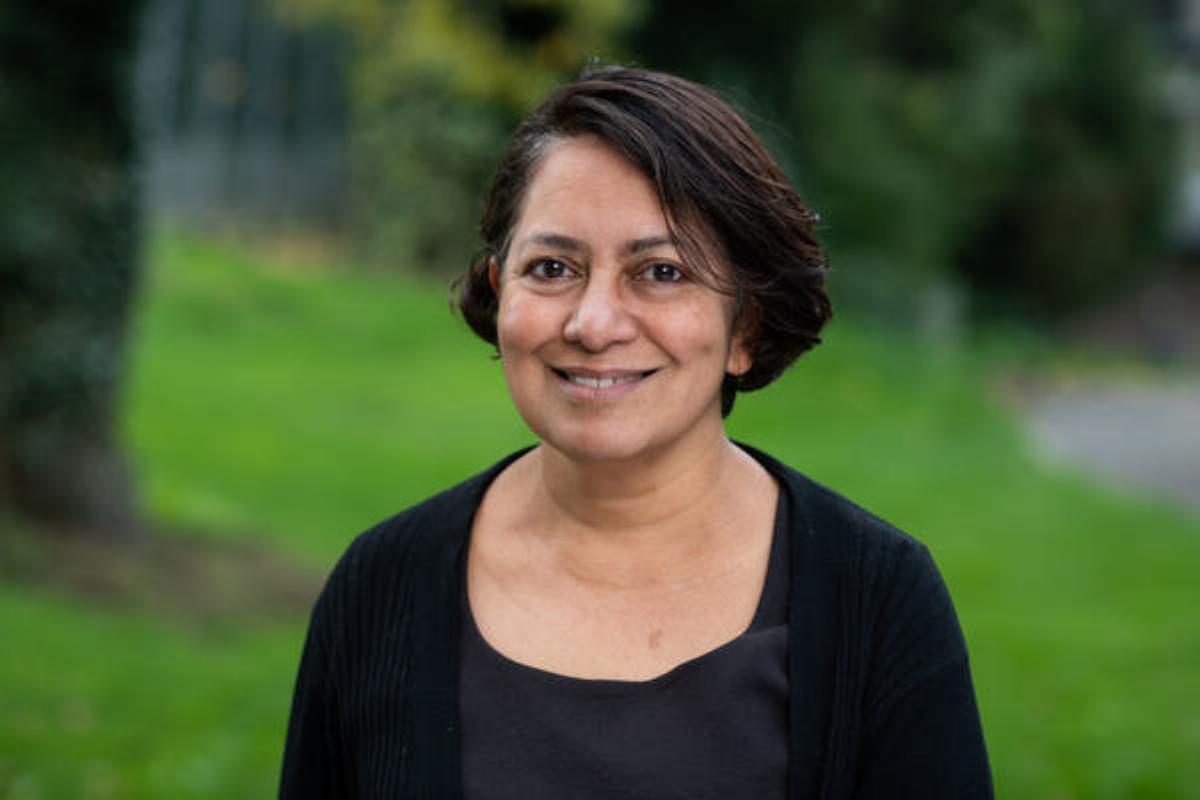
Sunetra Gupta, PhD, is a professor of theoretical epidemiology at Oxford University, England, where she directs the Evolutionary Ecology of Infectious Disease Lab. Her main area of research is the evolution of diversity in pathogens, with particular focus on malaria, influenza and bacterial meningitis. She also has an interest in the development of new vaccines, in the public understanding of science and in the connections between science and literature at the level of language and narrative. With over 100 peer-reviewed publications, Dr. Gupta is among the 2% most cited scientists in her field. 
Tom Jefferson, MD, MSc, is a former professor of preventive medicine at the Royal Defense Medical College, England. As a physician and clinical epidemiologist, he has developed methodology for synthesizing evidence of effectiveness, efficiency, and safety of medical products, and he has done several systematic reviews. With almost 300 peer-reviewed publications, Dr. Jefferson is among the top 1% cited scientists in his field.
